UC Davis EnvironMentors student wins top prize at the GCSE International Science Fair.
Anna Callens won first place overall and Bareera Rehman won Best Presentation as four Pioneer High School students competed on full scholarships at the 2026 fair in Panama City.
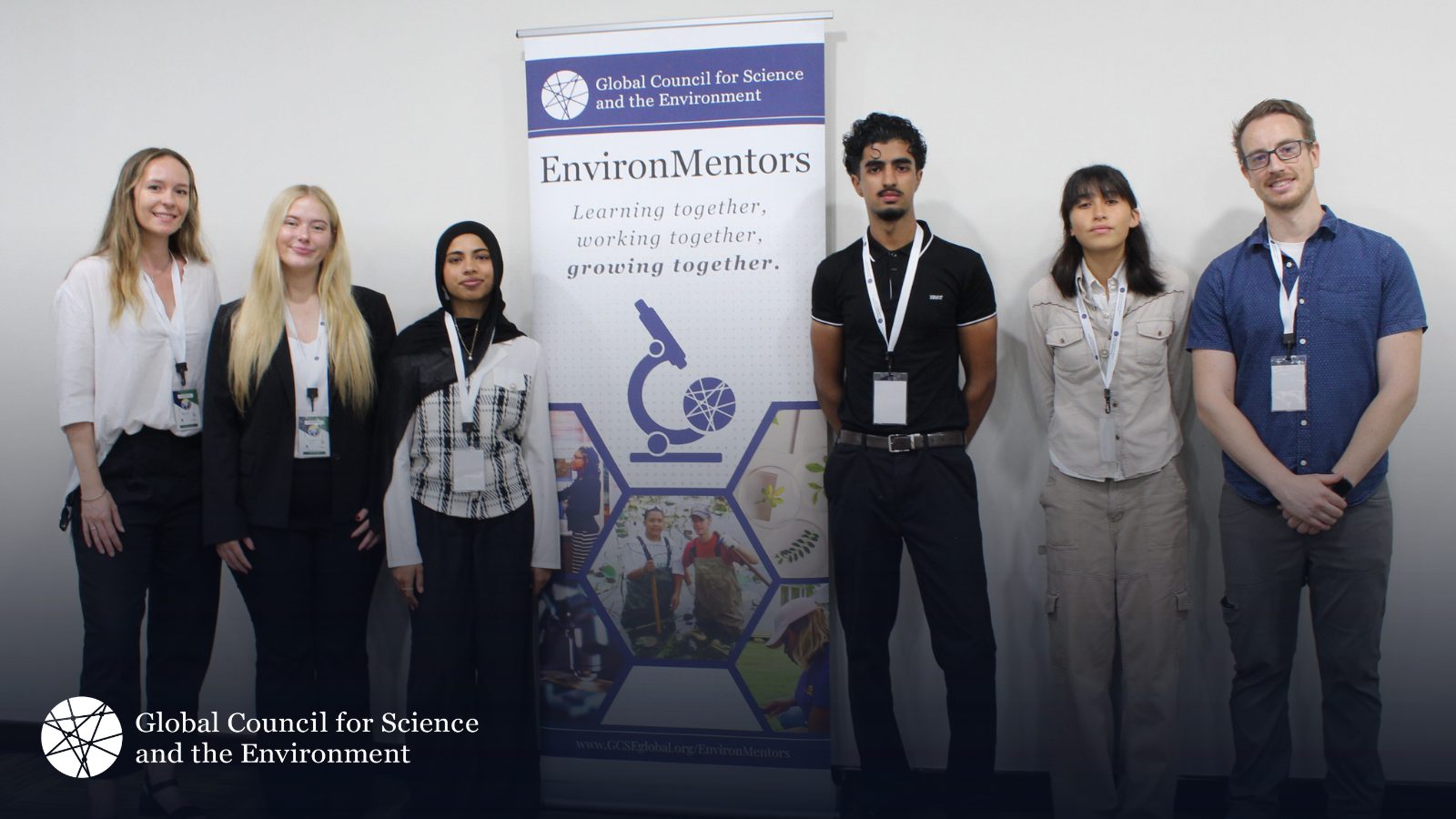
A Pioneer High School student in the UC Davis EnvironMentors chapter won first place overall at the 2026 GCSE International Science Fair, held in Panama City this June. Anna Callens took the top prize among competitors from chapters across the Americas, and fellow Pioneer student Bareera Rehman won the award for Best Presentation.
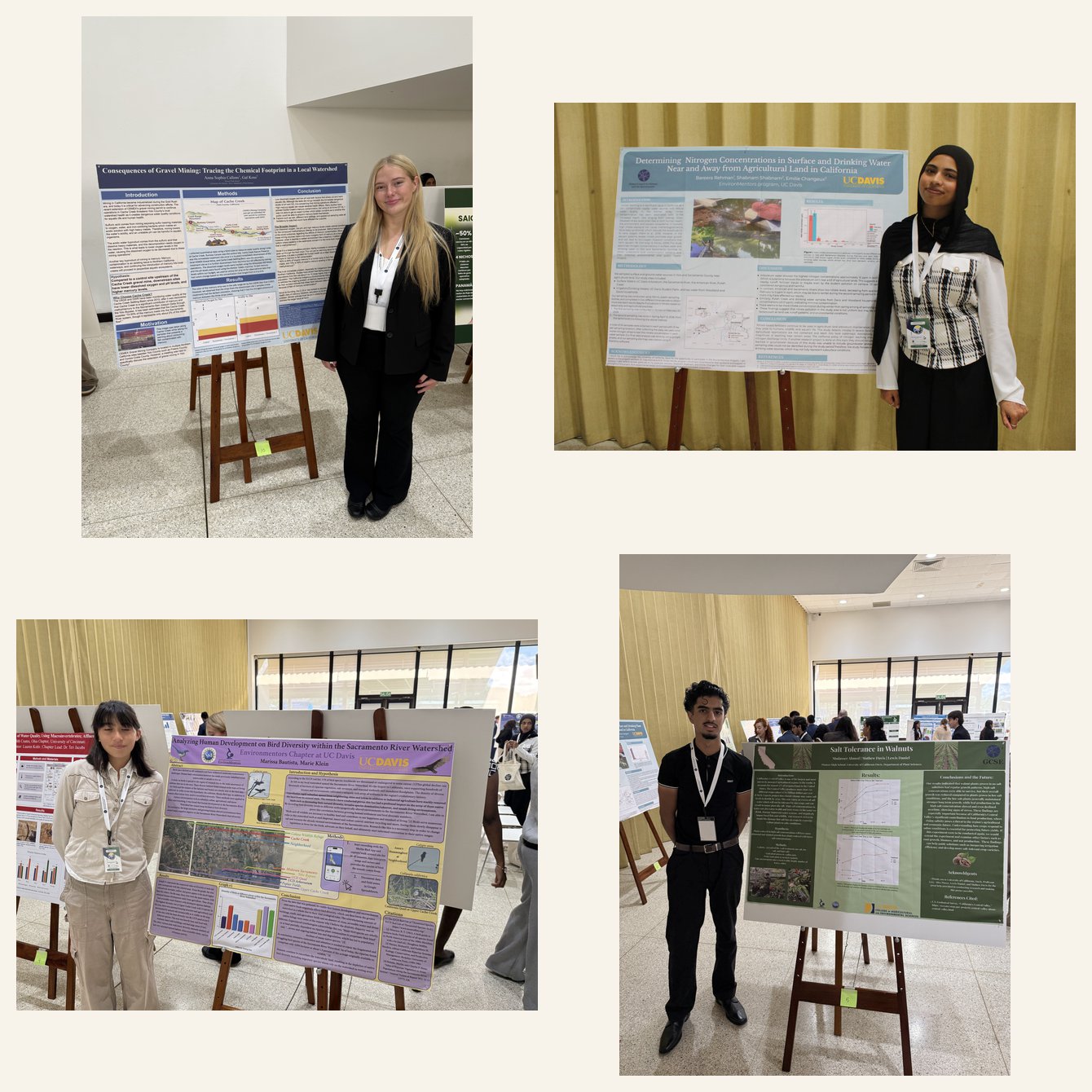
The chapter sent four students, all from Pioneer High School in Woodland, to the fair: Anna Callens, Bareera Rehman, Marissa Bautista, and Mudasser Ahmed. All four attended on full scholarships, among the most of any EnvironMentors chapter. Earlier in the year, every student in the program presented at the UC Davis Science Fair, including those who did not travel to Panama.
Over the week, students presented their research to international judges and joined hands-on workshops alongside chapters from Ecuador, Panama, Puerto Rico, Saint Lucia, and across the United States. Many of the chapter's students were paired with roommates from the Saint Lucia chapter. For several of them it was a first trip outside the country; the program also included a walk through Casco Viejo, Panama City's historic old quarter.
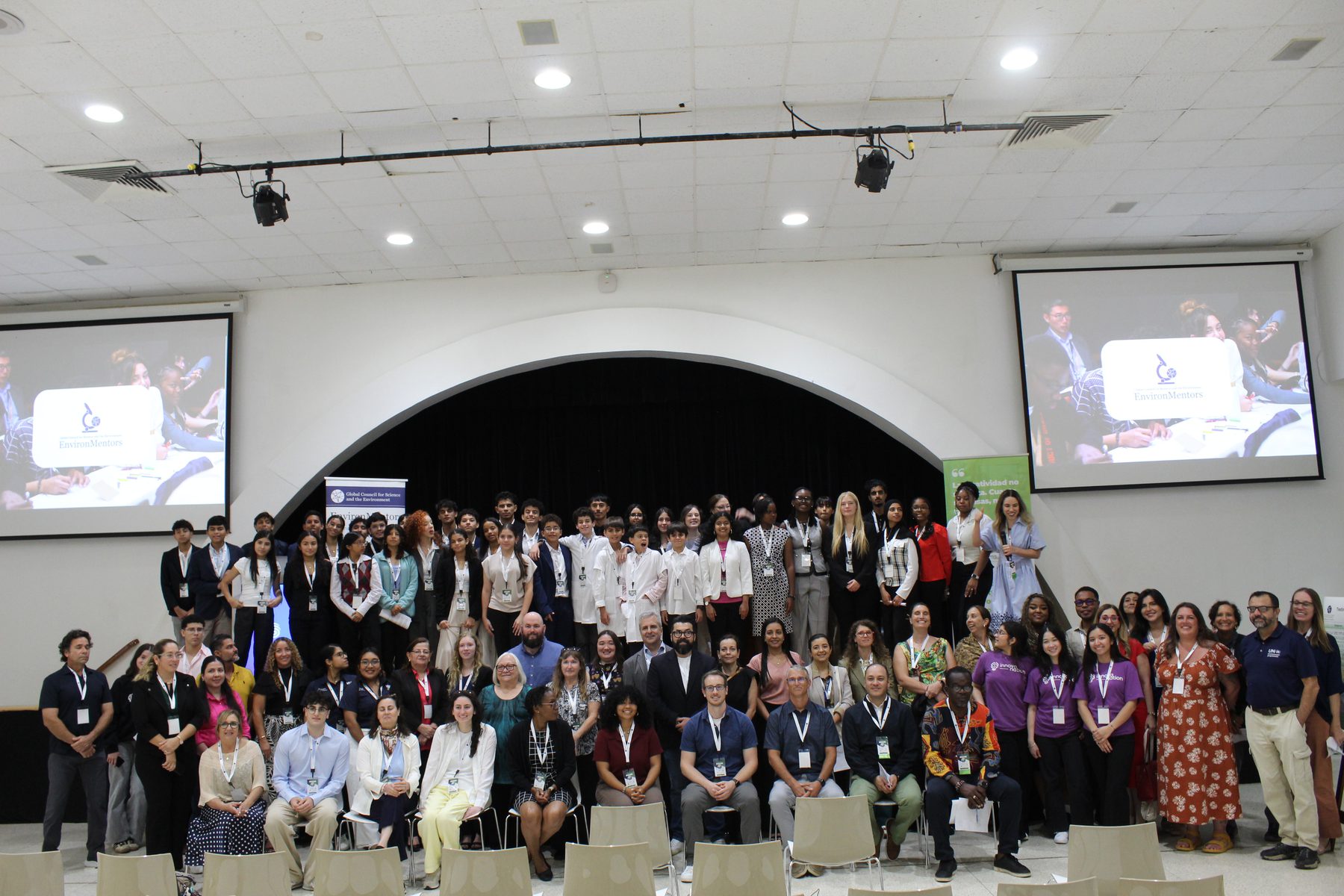
The fair was held at Ciudad del Saber (the "City of Knowledge"), a former U.S. military base on the Panama Canal now home to research institutes, agencies, and startups. The week paired the competition with workshops and talks, including a presentation from the Smithsonian Tropical Research Institute, which is based in Panama. The local program was led by Innova Nation, a Panama-based organization that helps young people build ventures around technology and social impact.
"Watching these students present their own research to international judges, and hold their own, is what this program is for," said Grey Monroe, co-director of the UC Davis chapter. "They earned every bit of this."
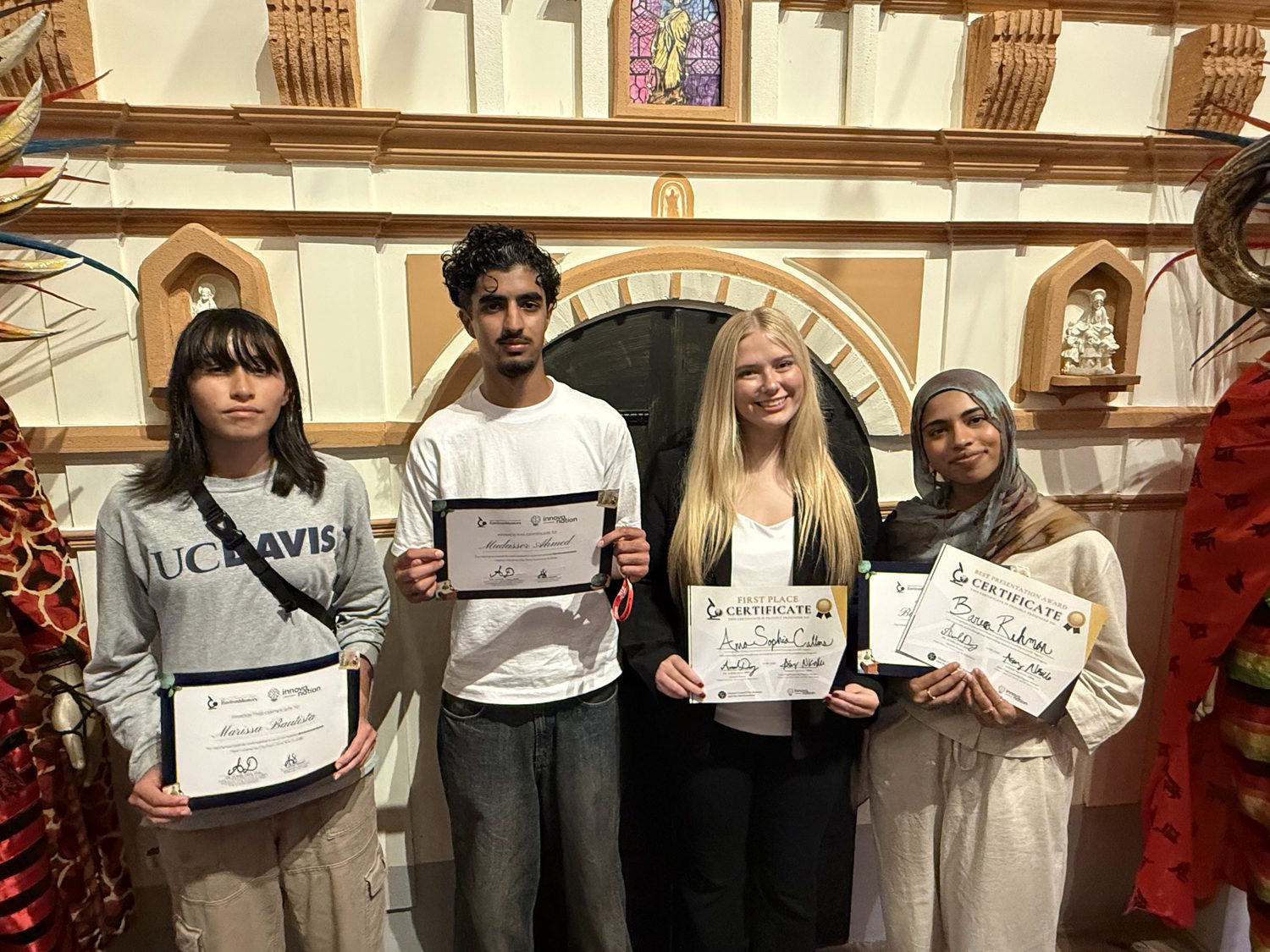
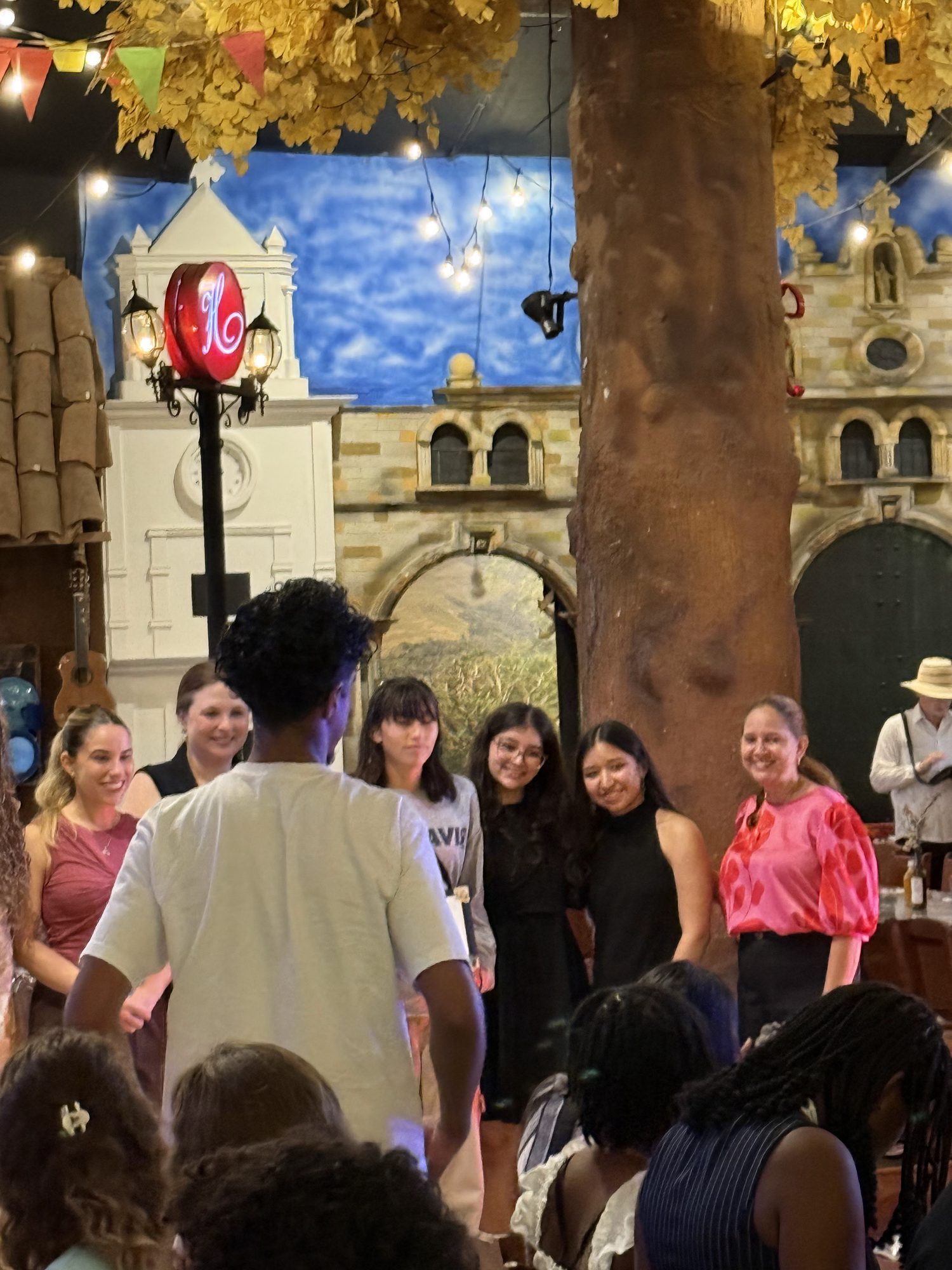
The awards were announced at the closing dinner. Bareera Rehman received the award for Best Presentation, and Anna Callens was named the top overall winner, taking first place at the international fair.
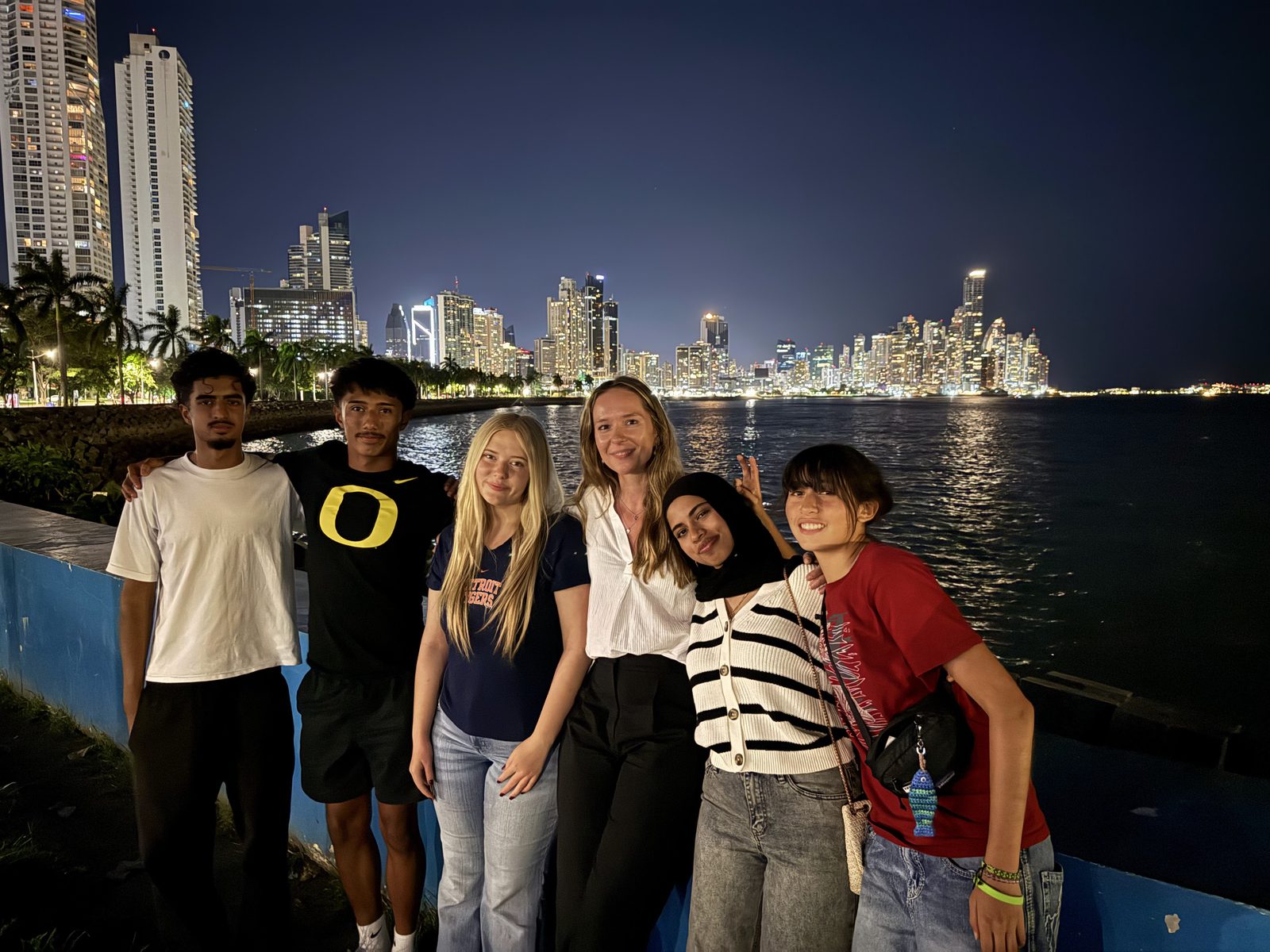
The students worked through the year with UC Davis mentors: Gal Koss with Anna Callens, Shabnam Shabnam with Bareera Rehman, Marie Klein with Marissa Bautista, and Matt Davis with Mudasser Ahmed. Klein also traveled to Panama and co-chaperoned the week.
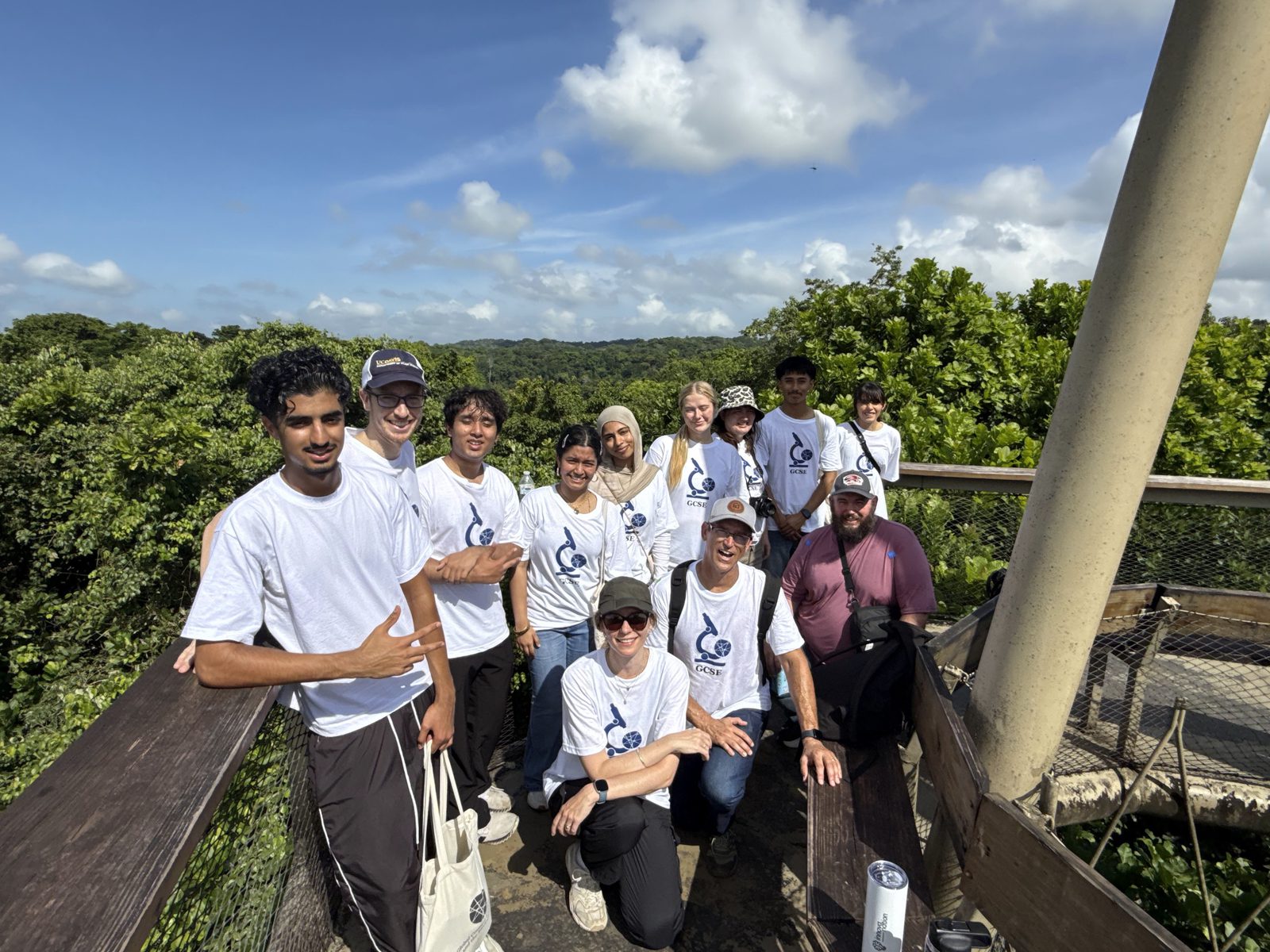
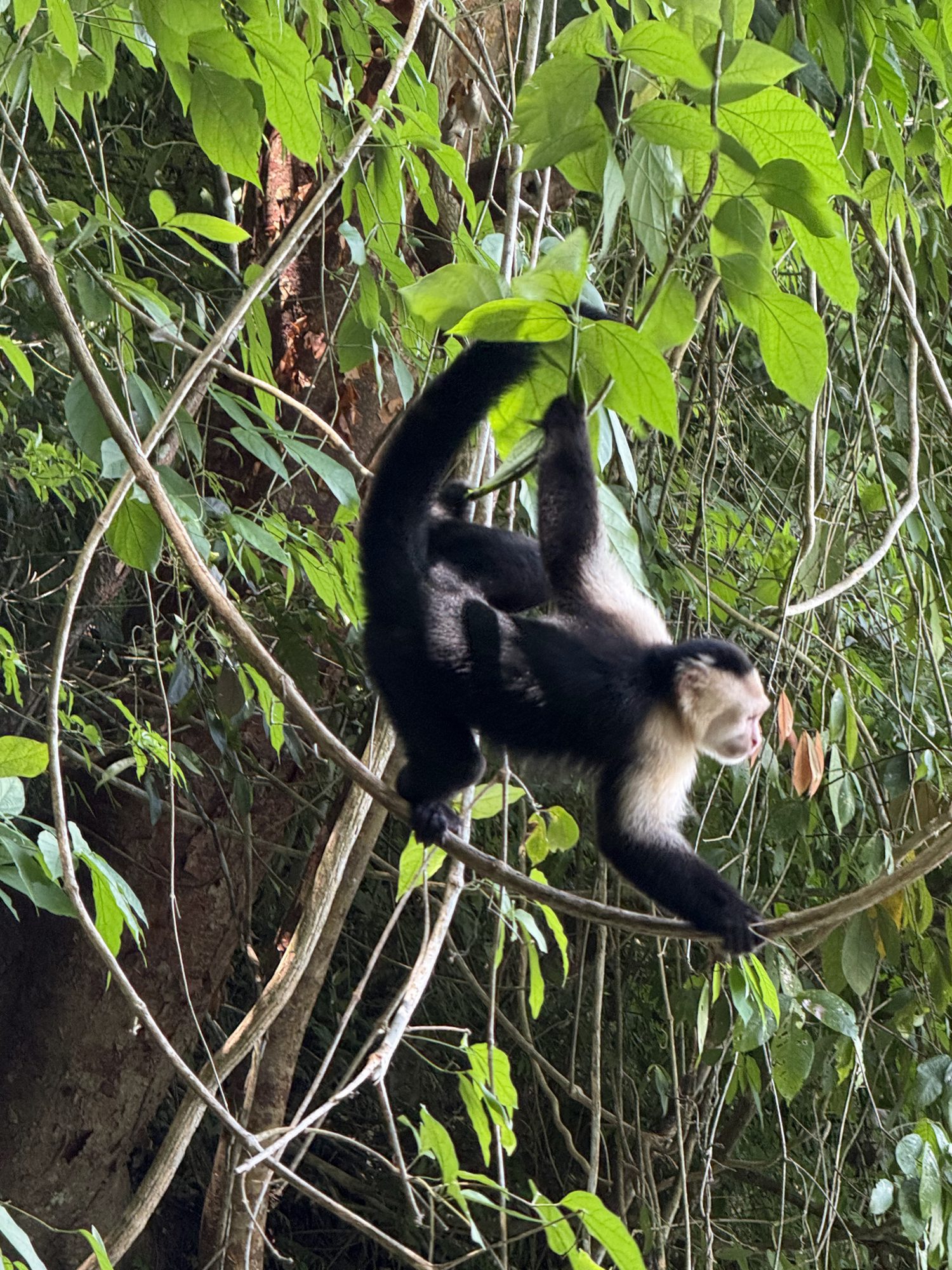
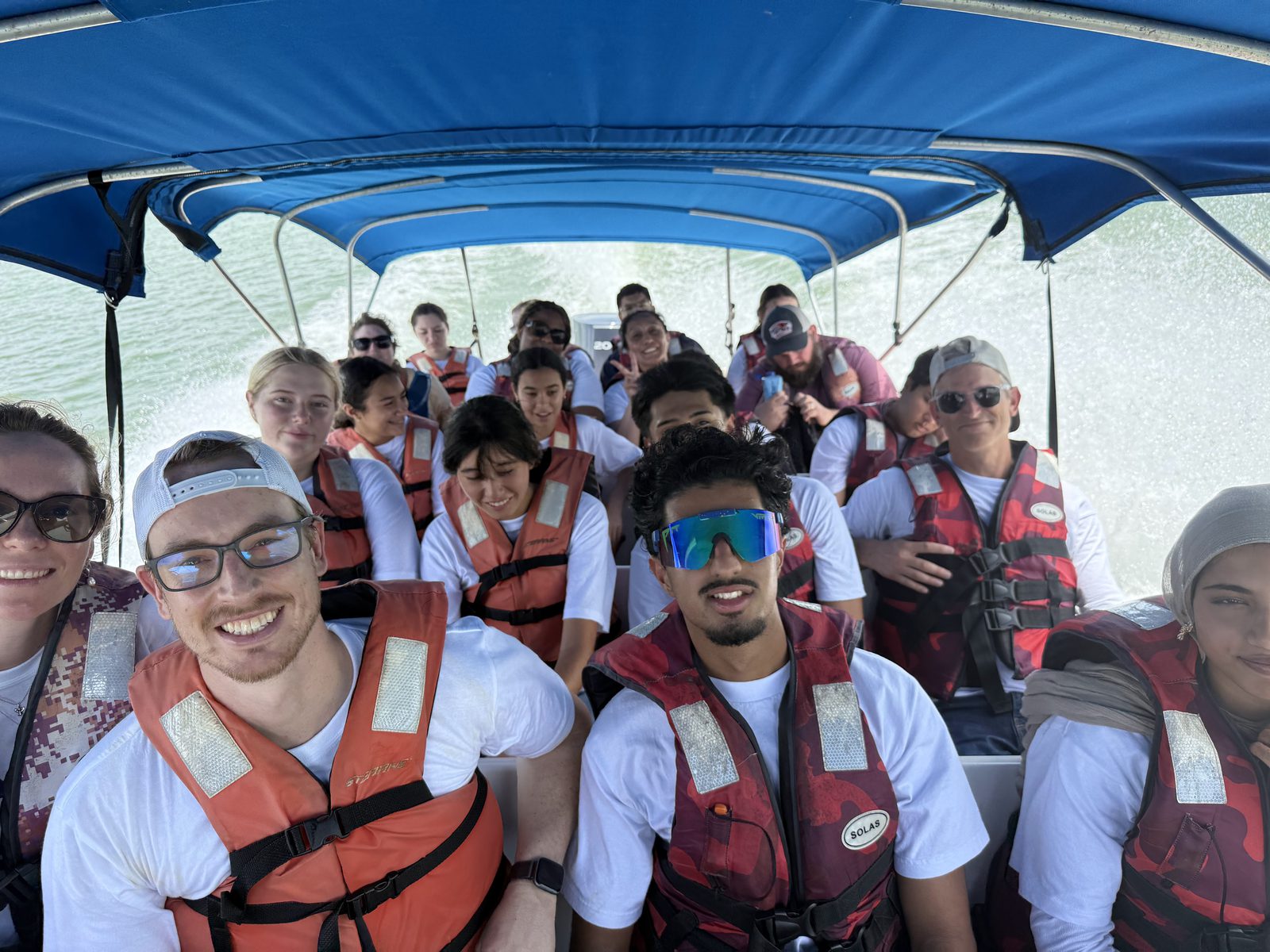
The week also took the group beyond the competition. On a Smithsonian-led excursion, students hiked the Gamboa rainforest, climbed a canopy tower, and took a boat onto the Canal, where they saw three species of monkey, crocodiles, and long-nosed bats. At one point a monkey climbed aboard the boat; the driver noted that they can carry rabies before coaxing it back off with a piece of fruit. Much of the week ran in both Spanish and English.
The chapter aims to bring more students to the international fair in the years ahead, and to expand the program across the region.
The chapter thanks its mentors, who volunteer throughout the year: Gal Koss, Lucas Hornung, Emilie Changeux, Eloise Dresser, Connor Tumelty, David Mitchell, Maya Shydlowski, Kekoa Nelson, Lewis Daniel, Marie Klein, Matt Davis, and Shabnam Shabnam. It also thanks GCSE, including Ashley Nkollo, Avriel Diaz, and the team, for the scholarships and for hosting the week; the Smithsonian Tropical Research Institute and the chapter's innovation partners in Panama; and Pioneer High School and Kimberly Lumbard.
UC Davis EnvironMentors is the UC Davis chapter of EnvironMentors, a program of the Global Council for Science and the Environment (GCSE) that pairs Pioneer High School students in Woodland with UC Davis mentors for a year of original environmental research. The work is supported in part by the National Science Foundation through an NSF CAREER award (NSF #2338236). To support the chapter, get involved.